 By Admin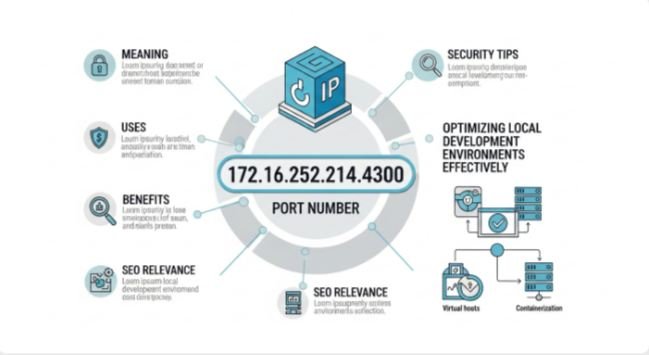
In today’s rapidly changing digital world, it is essential for developers, IT professionals, and even tech-savvy business owners to be familiar with IP addresses, ports, and local network configurations. In this regard, one such interesting term that is being increasingly used is “172.16.252.214.4300.” Though it seems to be an array of random numbers, it is actually an IP address and port number combination commonly used in local network configurations.
In this comprehensive guide, we will cover everything you need to know about “172.16.252.214.4300,” including its meaning, use, advantages, security, troubleshooting, and SEO. Whether you’re a server administrator, developer, or looking to optimize your internal network, this article will offer in-depth information to help you understand it in detail.
Understanding 172.16.252.214.4300
Breaking Down the Structure
The term 172.16.252.214.4300 can be divided into two main components:
- 172.16.252.214 → Private IP address
- 4300 → Port number
What is a Private IP Address?
The IP 172.16.252.214 belongs to the 172.16.0.0 – 172.31.255.255 range, which is reserved for private networks. These IP addresses are:
- Not accessible directly from the internet
- Used within internal networks like offices, schools, or home setups
- Managed by routers or network administrators
What is Port 4300?
A port acts as a communication endpoint for services. Port 4300 is commonly used in:
- Local development servers
- Custom backend services
- Testing environments
Why 172.16.252.214.4300 Matters
1. Local Development Environments
Developers frequently use addresses like 172.16.252.214.4300 to run applications locally. For example:
- Web apps running on custom ports
- Backend APIs during testing
- Microservices communication
2. Internal Network Communication
Organizations rely on private IPs for:
- Secure data exchange
- Internal dashboards
- Enterprise software systems
3. Enhanced Security
Since private IPs are not exposed to the internet, they provide:
- Reduced attack surface
- Better control over access
- Safer development testing
Common Use Cases of 172.16.252.214.4300
1. Web Application Testing
Developers often host apps on local servers using custom ports:
- Example:
http://172.16.252.214:4300 - Used for testing UI and backend integration
2. API Development
APIs can run on port 4300 for internal access:
- REST APIs
- GraphQL endpoints
- Microservices
3. IoT and Device Communication
Smart devices may use private IPs like 172.16.252.214 to communicate within a network.
4. Enterprise Software Systems
Large organizations use such configurations for:
- CRM systems
- ERP platforms
- Internal analytics tools
How to Access 172.16.252.214.4300
Step-by-Step Guide
- Ensure you are connected to the same network
- Open a web browser
-
Enter:
http://172.16.252.214:4300 - Press Enter
Possible Outcomes
- Page loads successfully → Server is running
- Connection refused → Service not active
- Timeout → Network issue
Benefits of Using 172.16.252.214.4300
1. Secure Testing Environment
Private IP ensures your application is not publicly exposed.
2. Flexibility in Development
Using port 4300 allows:
- Running multiple services simultaneously
- Avoiding conflicts with default ports
3. Cost Efficiency
No need for external hosting during development.
4. Faster Debugging
Local servers provide:
- Instant feedback
- Easier troubleshooting
SEO Relevance of 172.16.252.214.4300
While 172.16.252.214.4300 itself is not a public-facing URL, it still plays a role in SEO workflows:
1. Pre-Deployment Optimization
Developers use local environments to:
- Optimize page speed
- Test structured data
- Validate meta tags
2. Technical SEO Testing
You can test:
- Robots.txt
- Sitemap structure
- URL routing
3. Performance Analysis
Before going live, tools can analyze:
- Load time
- Rendering issues
- Mobile responsiveness
Security Considerations
1. Restrict Access
Even within private networks:
- Use authentication
- Limit user access
2. Firewall Configuration
Ensure:
- Only necessary ports are open
- Unauthorized access is blocked
3. Regular Updates
Keep your:
- Server software updated
- Dependencies secure
4. Monitor Traffic
Use logs to:
- Detect unusual activity
- Prevent internal threats
Troubleshooting 172.16.252.214.4300
Common Issues and Fixes
1. Cannot Connect
Cause:
- Server not running
Solution:
- Start the application server
2. Port Already in Use
Cause:
- Another service using port 4300
Solution:
- Change port or stop conflicting service
3. Network Not Accessible
Cause:
- Different network or subnet
Solution:
- Connect to same network
4. Firewall Blocking
Cause:
- Security settings restricting access
Solution:
- Adjust firewall rules
Best Practices for Using 172.16.252.214.4300
1. Use Meaningful Port Assignments
Assign ports logically for different services.
2. Document Network Configurations
Maintain records of:
- IP assignments
- Port usage
3. Implement HTTPS Locally
Use SSL certificates even in development.
4. Regular Backups
Ensure:
- Data safety
- Quick recovery
Advanced Applications
1. Docker and Containers
Developers often map ports like 4300 in containerized apps:
-
Example:
docker run -p 4300:4300 app
2. Kubernetes Clusters
Private IPs are used for:
- Pod communication
- Internal services
3. Reverse Proxy Setup
Tools like Nginx can route traffic:
- From public domain
- To internal IP like 172.16.252.214:4300
Comparison with Public IPs
| Feature | Private IP (172.16.252.214) | Public IP |
|---|---|---|
| Accessibility | Internal only | Global |
| Security | Higher | Lower |
| Cost | Free | Paid |
| Use Case | Development | Production |
Future Trends
1. Increased Use in Cloud Development
Private IP configurations are becoming standard in:
- Hybrid cloud systems
- Virtual private networks
2. Automation and DevOps
Tools automate:
- Port allocation
- Network configuration
3. Enhanced Security Protocols
Expect:
- Zero-trust networking
- Advanced encryption
Frequently Asked Questions (FAQs)
What is 172.16.252.214.4300 used for?
It is typically used for local server hosting and development environments.
Is 172.16.252.214 accessible from the internet?
No, it is a private IP address and cannot be accessed externally.
Why use port 4300?
It is a custom port often used to avoid conflicts with standard ports like 80 or 443.
How do I fix connection issues?
Check:
- Server status
- Network connection
- Firewall settings
Can I change the port?
Yes, you can configure your application to use any available port.
Conclusion
The keyword “172.16.252.214.4300” stands for more than just a series of technical words, as it has a vital role in the world of networking and development tools. Local testing, enterprise applications, and many more areas can be highly benefited by learning the uses of private IP addresses and custom ports.
By mastering the concepts outlined in this guide, you can:
- Build secure local environments
- Optimize development workflows
- Troubleshoot network issues efficiently
- Prepare applications for successful deployment
As technology continues to evolve, configurations like 172.16.252.214.4300 will remain fundamental in shaping the future of digital infrastructure.